Chemical Peels
Brighter, more even skin—revealed through advanced exfoliation.
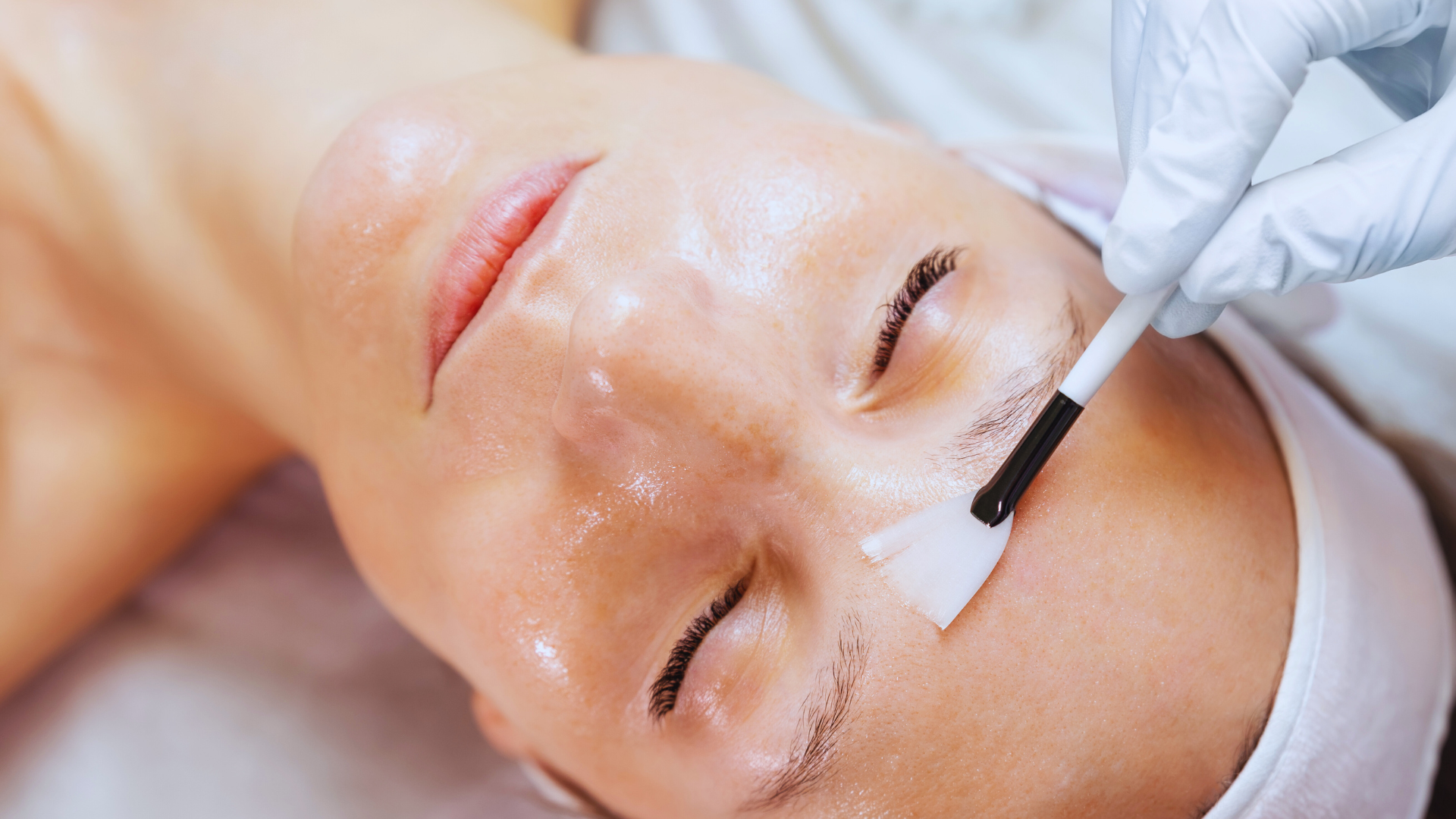
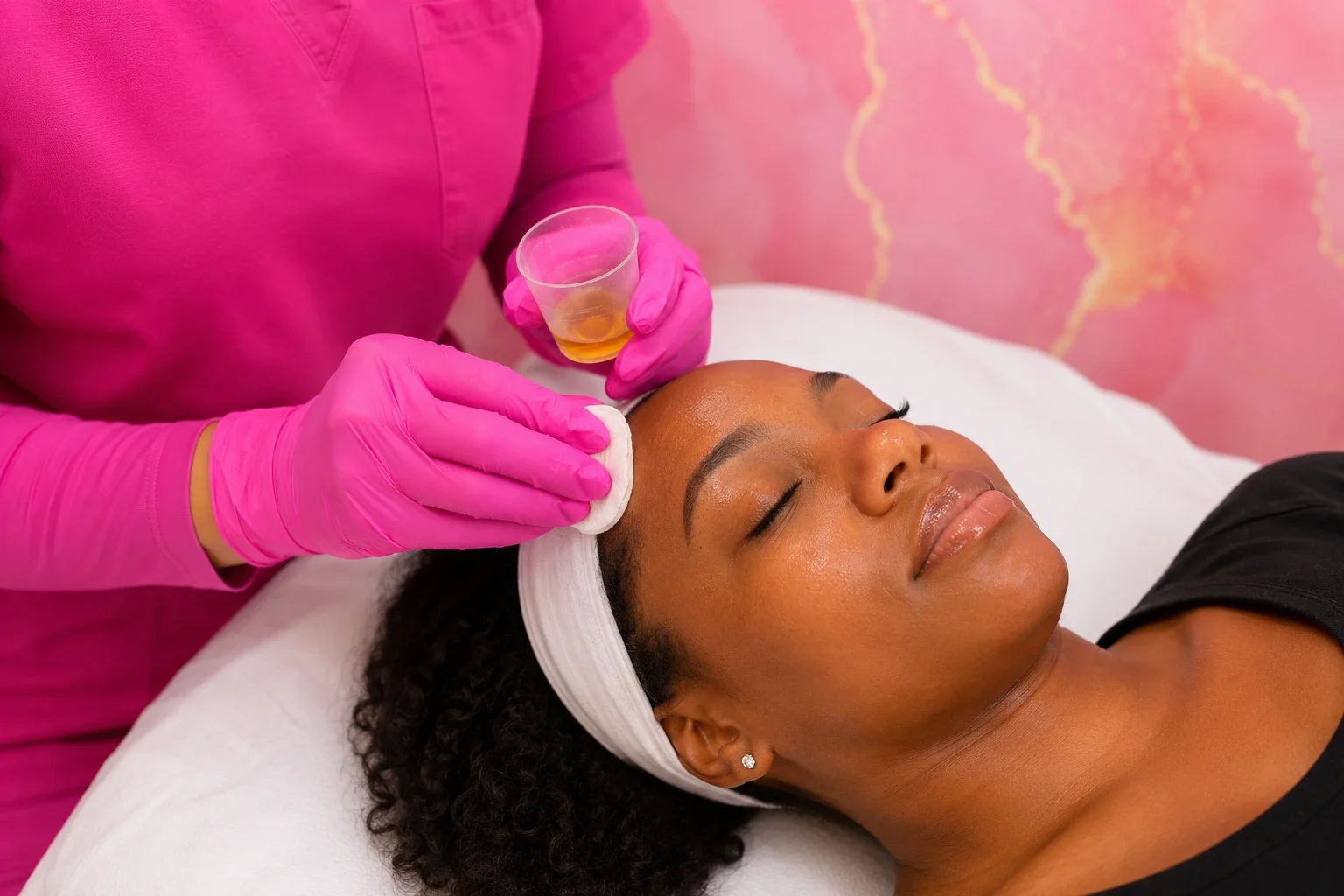
Chemical peels are advanced exfoliation treatments designed to improve skin tone, texture, and clarity by accelerating cellular turnover. Using clinical-strength formulations like VI Peel®, these treatments target acne, discoloration, and fine lines—revealing smoother, brighter, more radiant skin.
Chemical Peels
⋆˙⟡
Chemical Peels ⋆˙⟡
Each treatment is customized to your skin and concerns, with options including:
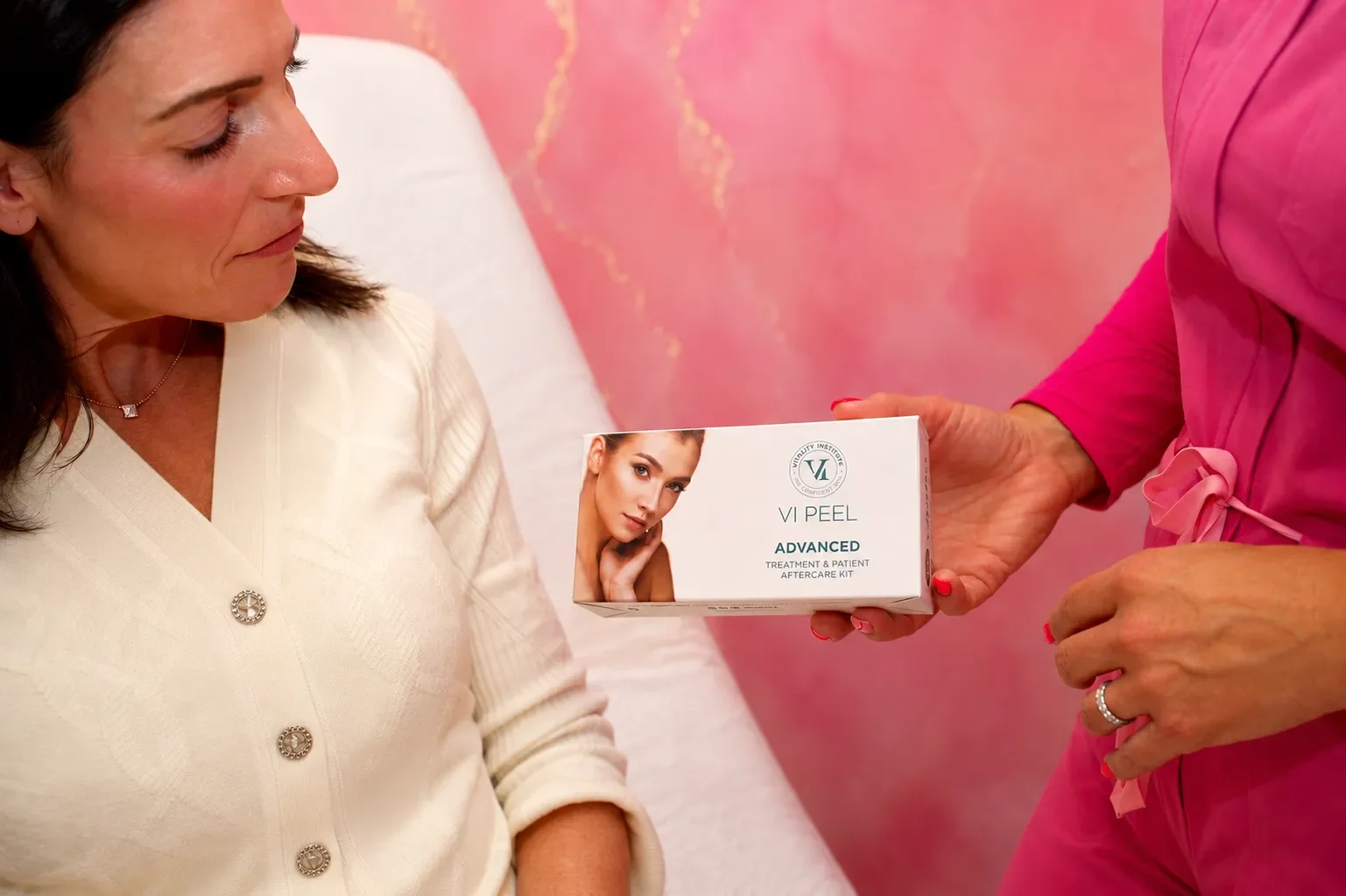
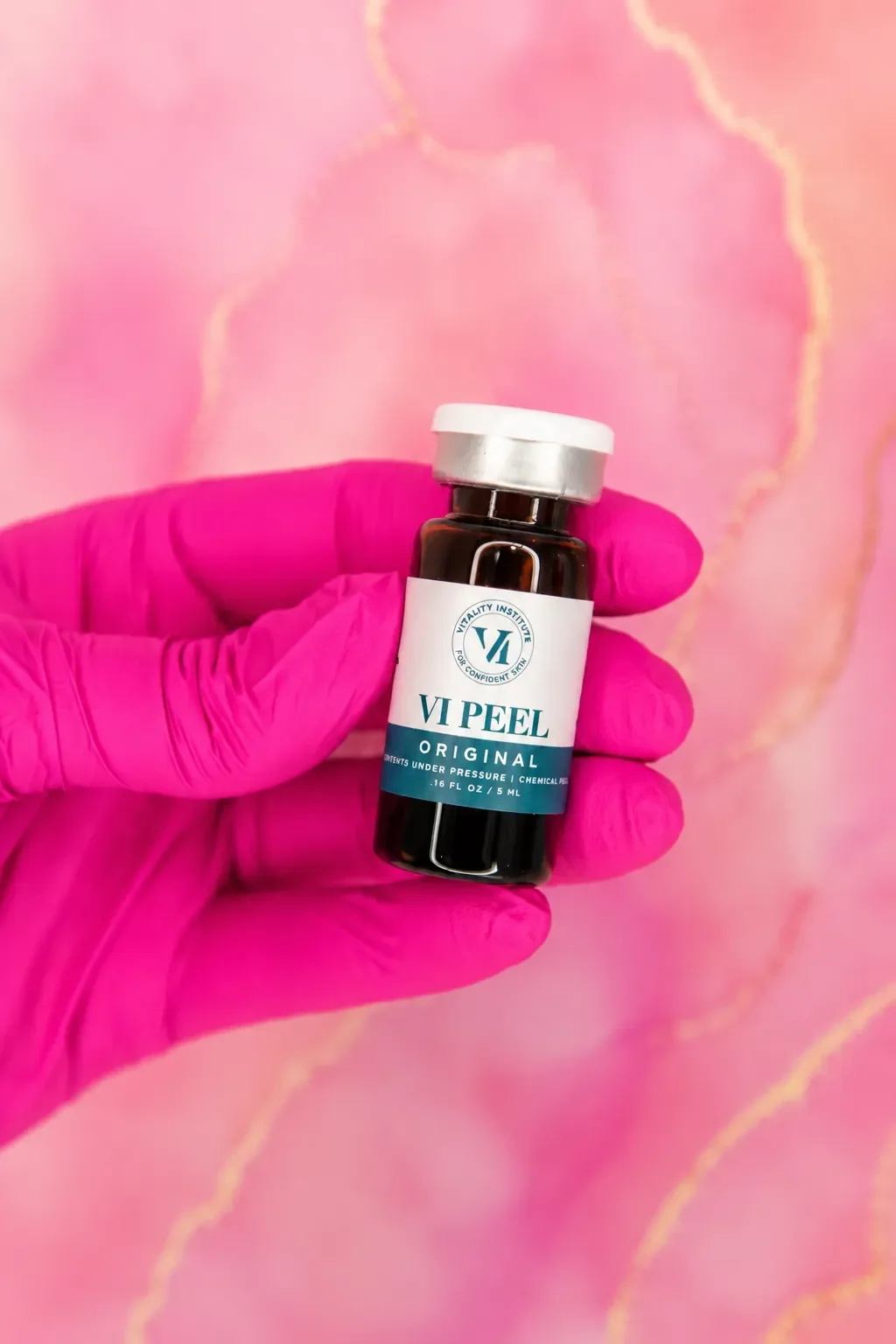
VI Peel® Original
Mild Sun Damage
Early Signs of Aging
Rough Texture
Dullness
VI Peel® Advanced
Fine Lines + Wrinkles
Loss of Elasticity
More Advanced Sun Damage
VI Peel® Precision Plus
Melasma
Sun Spots
Post-Inflammatory Pigmentation
VI Peel® Purify
Acne + Congestion
Excess Oil Production
VI Peel® Purify w/ Precision Plus
Active Acne
Acne Scarring
Post-Acne Dark Spots
Breakouts with Discoloration
FAQs
-
Chemical peels are advanced exfoliation treatments designed to improve skin tone, texture, and clarity by accelerating cellular turnover. Using clinical-strength formulations like VI Peel®, these treatments target acne, discoloration, and fine lines—revealing smoother, brighter, more radiant skin.
-
Chemical peels are designed to address a wide range of skin concerns by accelerating cellular turnover and improving overall skin function. They are effective for acne, hyperpigmentation, sun damage, fine lines, uneven tone, and rough texture—supporting smoother texture, more uniform tone, and improved skin clarity.
-
A VI Chemical Peel is a medical-grade treatment formulated with a proprietary blend of active ingredients designed to penetrate deeper into the skin. Key components—such as TCA, retinoic acid, salicylic acid, phenol, and vitamin C—work synergistically to stimulate collagen production and enhance cellular turnover.
-
Most patients experience a mild tingling or warming sensation during treatment. Chemical peels are generally well tolerated, with the level of sensation depending on the strength of the peel and individual skin sensitivity.
-
Downtime varies based on the depth of the peel, but most patients can expect a predictable sequence of skin renewal over several days.
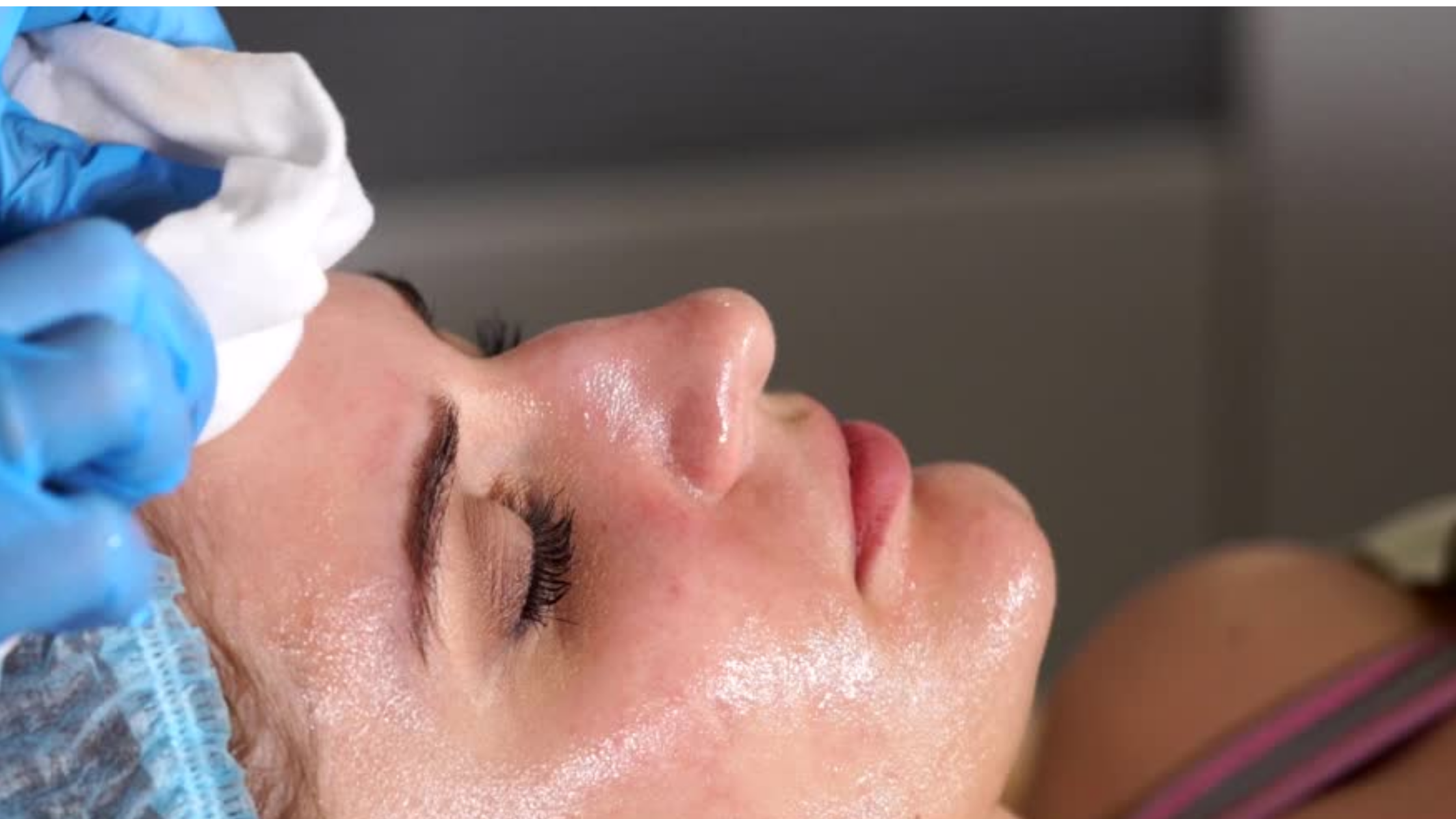
Immediately after treatment, the skin may appear slightly red and feel tight or warm. Within the first 24–48 hours, dryness and a tightening sensation typically develop as cellular turnover accelerates.
Peeling usually begins around day 2 to 3, often starting around the mouth and progressing outward. This phase can last several days and may involve visible flaking or sheet-like peeling as damaged outer layers shed.
By days 5 to 7, peeling subsides, and new skin is revealed, with continued improvement in tone and texture over the following week.
The intensity and duration of peeling depend on the strength of the peel and individual skin response, but this process is a normal part of achieving clearer, more even, and refreshed skin.
-
While some patients notice improvement after a single treatment, a series of peels is often recommended for more significant or long-standing concerns such as acne or hyperpigmentation. Treatment plans are customized to support both corrective and long-term results.
-
You may notice brighter, smoother skin within a few days, with continued improvement as cellular turnover increases. Full results develop progressively with a series of treatments and consistent skincare.
-
Many modern chemical peels, including VI Peels, are formulated to be safe for a wide range of skin types, including darker skin tones. VI Peels use a balanced blend of active ingredients and are designed to penetrate the skin in a controlled, uniform way, reducing the risk of post-inflammatory hyperpigmentation when properly selected and applied.
-
Chemical peels can be combined with treatments such as RF microneedling, laser treatments, neuromodulators, and medical-grade skincare to enhance overall results. By addressing different layers of the skin, these combinations allow for more comprehensive correction—improving tone, texture, and overall skin quality. Treatments are carefully planned and spaced to optimize outcomes.
The Clinical Education you need to stay informed.